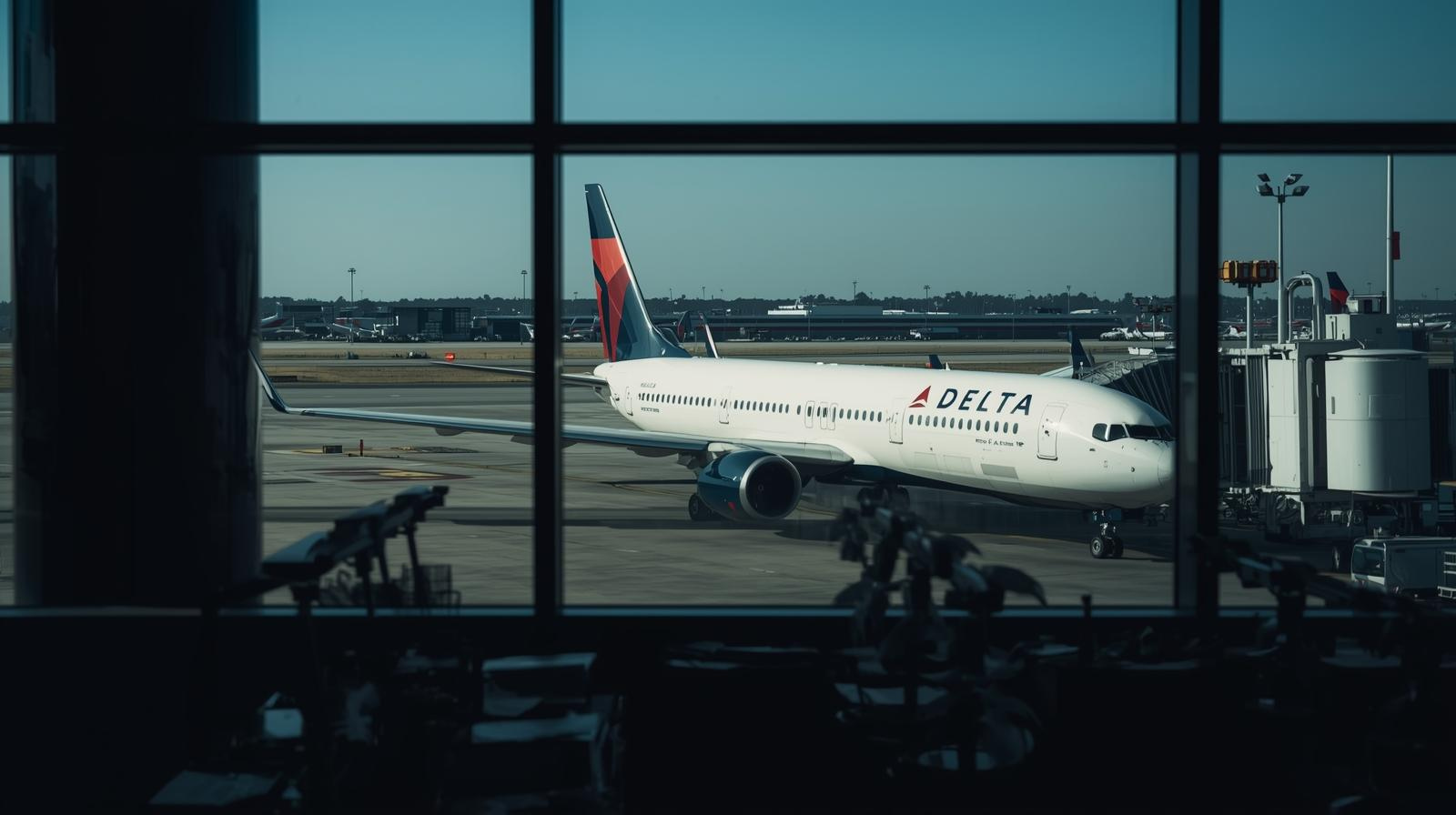
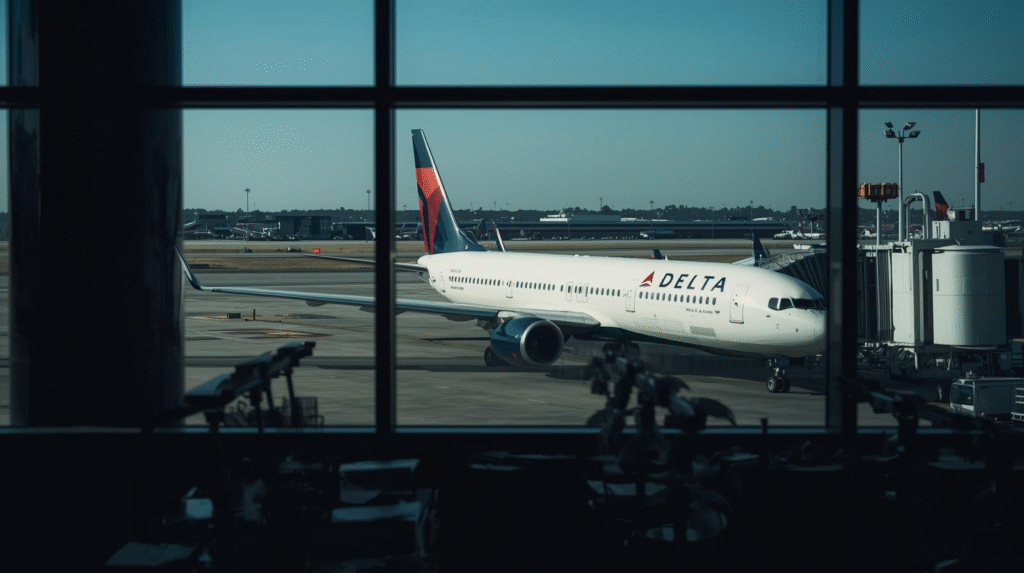
Flight cancellations have always been a frustration for travelers, but when they involve one of the largest U.S. carriers, the impact goes beyond airports. In 2025, headlines like Delta Airlines cancels flights are becoming increasingly common, sparking concern not only among passengers but also among investors who hold shares of Delta Air Lines (NYSE: DAL).
The reasons may range from weather events to staffing shortages, but the consequences ripple through the airline industry, affecting ticket sales, brand reputation, and even stock performance. For a site focused on U.S. market news, it’s important to look at both sides: what cancellations mean for passengers and what they signal to shareholders.
Why Delta Cancels Flights in 2025
Delta, like all major airlines, cancels flights only when necessary. Still, the frequency in recent years has drawn attention. Some of the key reasons include:
- Weather disruptions: Storms in Atlanta, snow in Minneapolis, or hurricanes on the East Coast often trigger reports of delta flights being cancelled today due to weather. The weather is beyond the control of any airline, but it remains the single largest cause of cancellations.
- Staffing challenges: Airlines are still managing pilot shortages and stricter scheduling rules. If crew hours exceed limits, flights may be grounded to comply with safety regulations.
- Changing routes: There may be times when Delta cancels flights to reallocate aircraft in a strategic manner. A Delta flight from Minneapolis to Atlanta has been canceled due to shifting long-haul demand.
- Technical issues: A system outage or mechanical check can snowball, delaying dozens of flights. Even incidents like the delta airlines tire explosion in Atlanta show how a local issue can ripple across an entire hub.
These disruptions inconvenience passengers, but they also matter for investors. Each cancellation means additional costs and potential lost revenue, even if Delta eventually recovers the flight network.
Emergency Situations Beyond Delta
Cancellations are not limited to one airline. Competitors like American Airlines have also faced incidents such as an American Airlines emergency landing, which drew nationwide media coverage. Delta itself has had cases where flights diverted mid-journey, such as the Delta flight DL275 diverted LAX, highlighting how safety decisions sometimes interrupt operations.
Investors should be aware of the volatility of the airline industry as a result of these incidents. Unlike tech or consumer goods, airlines face uncontrollable variables weather, fuel costs, and safety rules, that can affect both daily operations and quarterly earnings.
How Delta Communicates With Passengers
When flights are disrupted, communication is critical. Delta typically uses:
- The Delta mobile app, which provides real-time updates.
- Email and text alerts, sent to registered contacts.
- Gate announcements by agents at the airport.
In most cases, passengers are automatically rebooked. However, Delta customers also have the right to cancel a flight altogether and get a full refund. For investors, this policy is important: it reflects customer-first practices that preserve loyalty, but also creates immediate financial liability when refunds are processed at scale.
Financial Impact on Delta and DAL Stock
For shareholders, cancellations are more than travel headaches. They translate into:
- Lost revenue: Refunds and missed bookings cut into quarterly sales.
- Operational costs: Hotels, meal vouchers, and compensation add expenses.
- Reputation risk: Frequent cancellations may push travelers toward competitors like United or Southwest.
- Market volatility: News cycles around airline disruptions often weigh on DAL stock and even sector-wide ETFs like JETS.
However, Delta remains one of the best airlines to fly in terms of reliability compared with peers. Long-term investors know that cancellations, while costly, don’t erase Delta’s competitive advantages: its strong hub presence in Atlanta, a vast international network, and a highly regarded loyalty program.
Traveler Experience vs. Investor Perspective
From a passenger’s point of view, canceled flights are stressful, as they often result in missed business meetings, delayed vacations, and additional expenses for hotels or rebooking. But from an investor’s point of view, cancellations are measured in percentages load factors, passenger revenue per available seat mile (PRASM), and unit costs.
When Delta Airlines cancels flights, travelers experience inconvenience, while investors experience short-term turmoil. This dual perspective shows why the story matters to both groups.
Delta’s Efforts to Reduce Cancellations
Delta is actively working to minimize disruptions. Steps include:
- Hiring thousands of new pilots and ground staff.
- Expanding hub capacity in Atlanta and Detroit.
- Upgrading IT systems to avoid mass outages.
- Enhancing compensation policies to reduce customer frustration.
For investors, these moves are costly in the short term but critical for protecting long-term market share. Spending on staffing and technology today may shield Delta from deeper operational crises in the future.
Investor Takeaway: What to Watch
Airline stocks are notoriously cyclical. Cancellations feed into broader themes investors should monitor:
- Fuel costs: Rising jet fuel prices combined with cancellations can squeeze margins.
- Consumer demand: Strong travel demand can offset disruption costs, but weakening demand magnifies them.
- Sector moves: When Delta cancels flights, it’s common to see AAL, UAL, LUV, and the JETS ETF move in sympathy.
- Earnings guidance: If cancellations become significant, Delta may revise its forward-looking statements something investors watch closely.
In other words, cancellations aren’t just an operational issue. They’re part of the bigger puzzle of how DAL stock behaves within the airline sector.
Tips for Passengers
For travelers still focused on their journey, a few steps help manage cancellations:
- Booking an earlier flight in the day can prevent cascading delays.
- Pack your carry-on luggage with the essentials in case your flight is rerouted.
- Use the Delta app for real-time updates.
- Build buffer time before important events like weddings, conferences, or cruises.
Conclusion
In 2025, when Delta Airlines cancels flights, the disruption touches both passengers and investors. For travelers, it means inconvenience, refunds, or unexpected delays. For shareholders, it raises questions about revenue, operational strength, and the resilience of DAL stock compared with peers.
Airlines will always face turbulence, but for investors, short-term cancellations may represent buying opportunities rather than red flags. The key is balancing the passenger story with the financial story, a perspective that makes sense for both markets and Main Street.
Frequently Asked Questions
1. Why does Delta cancel flights so often?
Mostly due to weather, staffing shortages, and route adjustments. These are safety-driven and operational decisions.
2. Will Delta refund me if my flight is canceled?
Yes. U.S. law requires a full refund for cancellations, even on non-refundable tickets. Passengers may also accept rebooking or eCredits.
3. Do cancellations affect DAL stock?
Yes, but usually in the short term. While cancellations can pressure earnings, Delta’s long-term fundamentals and market position remain strong.
About the Author