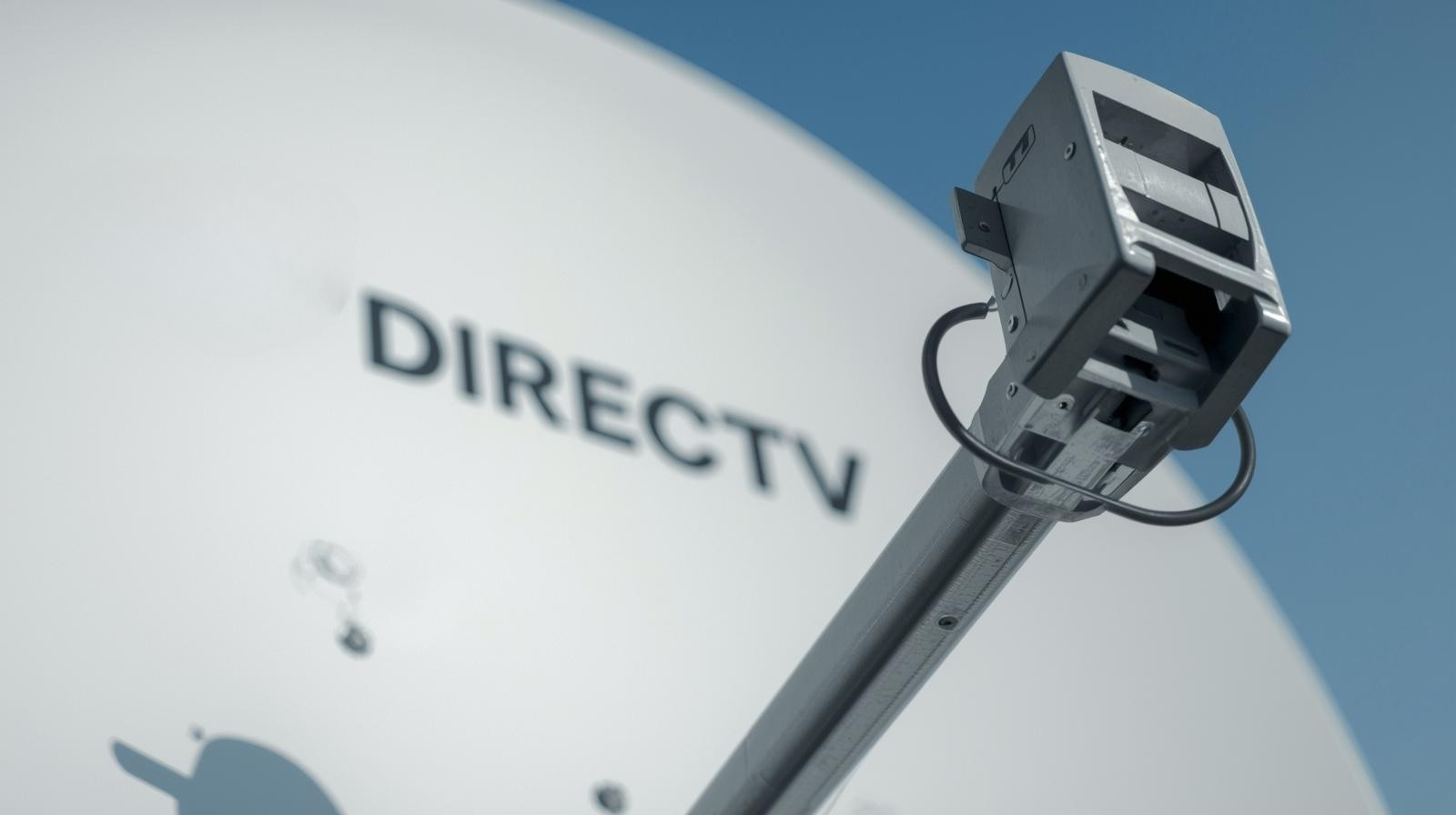
DirecTV has long been recognized as one of the most familiar names in American television. For years, they were defined by their satellite dishes and their place in millions of homes that relied on bundled television packages. However, by 2025, DirecTV will no longer be just a legacy TV provider. The company has been reshaping its identity, developing new revenue models, and experimenting with consumer-friendly features to stay competitive in a rapidly evolving entertainment industry.
This transformation has put them back in the spotlight, not only for viewers but also for those who follow business and investment trends. By focusing on streaming, flexible packages, and innovative tools, they are making moves that are worth analysing in depth.
DirecTV’s Break from the Past
The first step in DirecTV’s new journey has been breaking away from its old identity as a satellite-only provider. The company still serves millions of customers through traditional television packages, but that is no longer its only story. They recognize that relying on satellite subscriptions alone would not sustain growth in an era dominated by streaming platforms.
To address this, they expanded into free ad-supported services, redesigned its subscription models, and introduced new features aimed at making the user experience more dynamic. The result is that DirecTV in 2025 looks like a hybrid company part traditional television, part modern streaming provider.
The Rise of MyFree DirecTV
Perhaps the most significant innovation is the launch of MyFree DirecTV. Unlike the expensive packages of the past, MyFree DirecTV gives users access to curated content at no subscription cost. Instead of charging monthly fees, they earns revenue from advertising that runs across the service.
This model does two things. First, it allows them to reach audiences who are unwilling to pay for another subscription service. Second, it gives the company a way to build scale in digital streaming while still leveraging its reputation for delivering television content. By combining accessibility with advertising, MyFree DirecTV positions the company to compete directly with other free platforms without alienating its traditional base.
Innovation Through Multiview
Another area where they are tried to stand out is in the introduction of Multiview technology. This feature allows users to watch several live channels at once, something particularly valuable for sports fans or viewers who want constant updates across news outlets.
Multiview is not simply a novelty; it reflects its broader strategy of adding value to its service in ways that differentiate it from competitors. While other platforms focus on exclusive content, their approach has been to improve how people consume the content they already enjoy. This innovation reinforces their relevance in households that demand flexibility and convenience.
Flexible Options with Genre Packs
In addition to new technology, they are reshaping their subscription strategy. Traditional bundles often frustrated customers because they were forced to pay for hundreds of channels they never used. In response, they introduced Genre Packs, smaller themed packages that enable customers to pay only for the content they require.
Sports fans can select sports channels, news followers can focus on news, and Spanish-speaking households can access content tailored to them. By breaking the old model of “take it all or nothing,” they are offering flexibility that aligns with consumer expectations in 2025.
Strengths in DirecTV’s Strategy
When analyzing DirecTV’s approach, several strengths stand out.
- Brand Recognition: They remain one of the best-known names in television. That awareness gives it credibility in a crowded market.
- Dual Model: By maintaining satellite service while growing MyFree DirecTV, the company reaches both traditional and digital audiences.
- Advertising Revenue: The growth of free streaming is largely tied to digital advertising, and they platform allows it to capture that market.
- Customer Flexibility: Multiview and Genre Packs add practical value that reduces churn and keeps customers engaged.
These strengths suggest that they found a way to remain relevant despite the decline of cable and the rise of streaming.
Challenges Facing DirecTV
At the same time, they faces serious challenges that cannot be ignored.
- Cord Cutting: Millions of households continue to abandon traditional pay-TV subscriptions, limiting growth in the legacy business.
- Competition: There is competition not only with cable and satellite providers but also with global giants like Netflix, Disney+, and YouTube TV.
- Ad Market Dependence: Because MyFree DirecTV relies heavily on advertising, its revenue is sensitive to broader economic cycles.
- Ownership Structure: As a privately owned company under TPG Capital, they have less visibility in the public markets, making it difficult for ordinary investors to participate directly.
These challenges show that their transformation is not guaranteed to succeed. Execution will determine whether the company thrives or struggles.
DirecTV and the Investment Outlook
Although they are not publicly traded today, their business strategy offers insights for investors who follow the media sector. Private equity owners often restructure companies with an eventual goal of either selling them or launching an IPO. If they can demonstrate consistent growth in MyFree DirecTV and retain customers with its new features, an IPO in the future is possible.
For now, it serves as a useful case study. It highlights how established brands can adapt to digital disruption and how advertising-supported streaming is becoming a powerful force in the media economy. Investors analysing similar companies can learn from DirecTV’s choices in 2025.
Possible Futures for DirecTV
The next few years will determine which path they ultimately take. Several scenarios are possible:
- Stable Hybrid Growth: DirectTV manages to balance satellite subscriptions with digital streaming.
- IPO or Sale: TPG Capital restructures and ultimately returns DirecTV to the public market.
- Niche Leadership: They lean heavily into sports and live events, differentiating themselves from pure on-demand platforms.
- Market Decline: DirecTV fails to keep pace with larger streaming competitors and loses relevance.
Each of these futures depends on how well DirecTV continues to execute its strategy of combining innovation with accessibility.
Conclusion
DirecTV in 2025 is not the same company it was a decade ago. By introducing MyFree DirecTV, offering Genre Packs, and launching multiview features, DirecTV has taken real steps toward reinventing itself for the modern viewer. At the same time, DirecTV remains tied to its legacy satellite business, a segment that continues to decline as cord-cutting accelerates.
For investors, DirecTV is a reminder that transformation is possible even for legacy brands. While the company is not currently listed on stock exchanges, the choices it makes today could determine whether it eventually returns to public markets. Watching DirecTV’s evolution is not only valuable for understanding one company but also for grasping the broader shifts shaping television and streaming in 2025.
About the Author