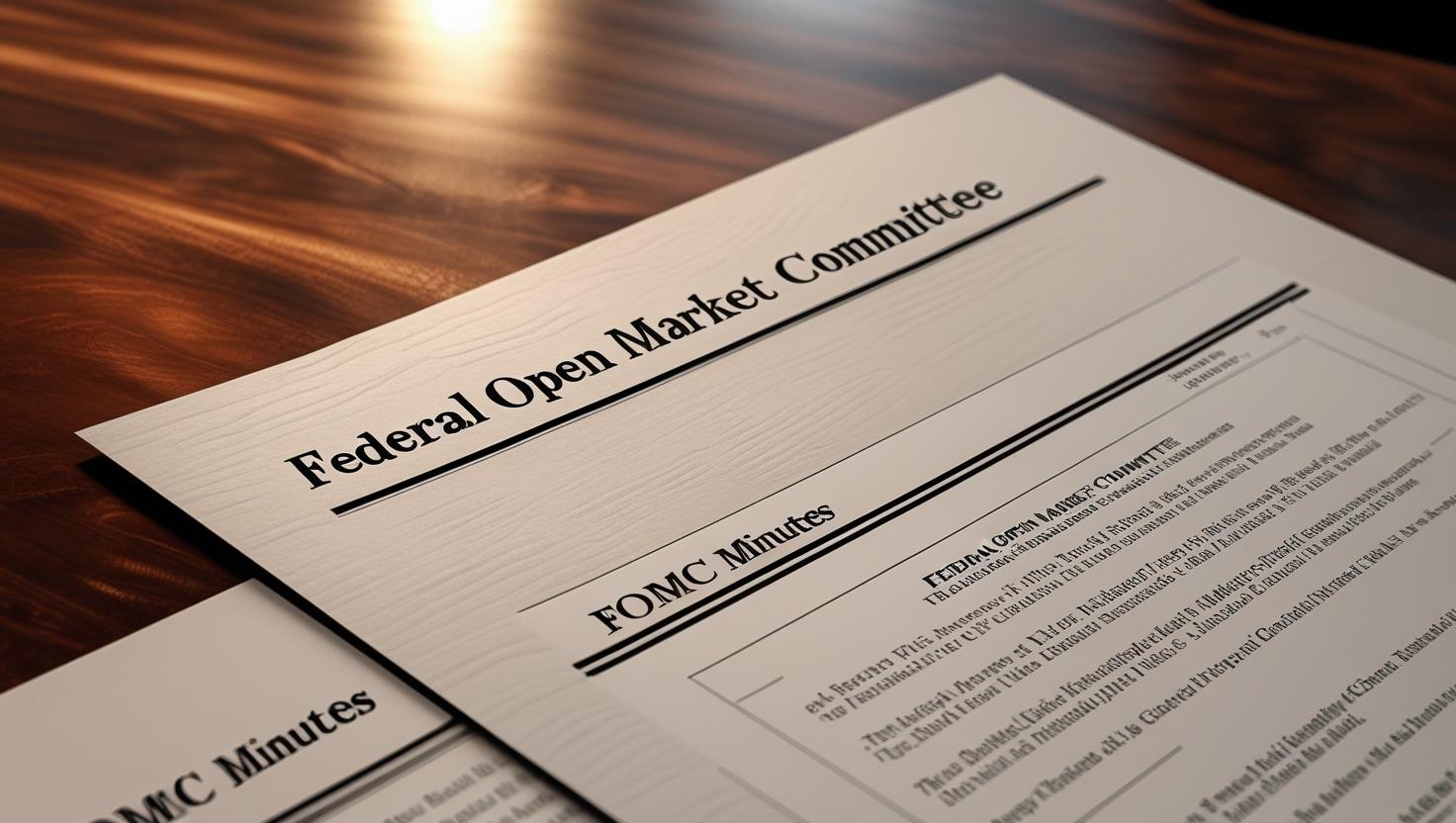
The FOMC minutes have always been one of the most anticipated documents in the world of finance. Investors, traders, economists, and even everyday consumers pay attention because these minutes reveal what the Federal Reserve is thinking behind closed doors. The latest release of the Federal Reserve meeting minutes has sparked debates on inflation, interest rates, and the future direction of the U.S. economy.
In this article, we break down the key highlights, why the FOMC minutes matter, and what businesses and households should expect going forward.
What Are FOMC Minutes?
The FOMC (Federal Open Market Committee) meets every six weeks to decide U.S. monetary policy. Three weeks after each meeting, the FOMC minutes are published, giving investors a peek into the conversations that shaped the decision. Unlike the official press release, which is short and to the point, the minutes go deeper. They show what each policymaker was worried about, whether it’s inflation, unemployment, or financial stability.
For anyone interested in Fed interest rates, inflation outlook, or monetary policy signals, the FOMC minutes are a goldmine of information.
Why Are the Latest FOMC Minutes So Important?
This time, the minutes matter more than usual. Inflation remains sticky, the labor market is showing mixed signals, and global uncertainty continues to weigh on markets. Many analysts expected the Fed to start easing policy, but the Federal Reserve meeting minutes revealed hesitation.
Some officials pushed for rate cuts, while others warned that inflation risks are still too high. This split in opinion highlights a central challenge: the Fed must balance slowing growth with the risk of prices spiraling upward again.
Key Highlights from the FOMC Minutes
- Inflation Concerns Persist
Even though inflation has cooled from its peak, many Fed officials believe it’s still too high to declare victory. The minutes showed worry about tariffs, energy costs, and wage growth feeding into higher consumer prices. - Debate Over Interest Rates
Some members argued for an early Fed interest rate cut, citing weaker jobs data. Others felt that cutting too soon could reignite inflation, forcing the Fed to act more aggressively later. - Labor Market Signals
The minutes also revealed concerns about slowing hiring. A weaker labor market often pushes the Fed toward easing, but the discussion showed uncertainty about whether recent data reflects a short-term dip or a lasting trend. - Global Uncertainty
Policymakers flagged risks from trade tensions, geopolitical instability, and slower global growth—all of which could complicate the Fed’s policy path.
What the FOMC Minutes Mean for Businesses and Investors
For business owners, the FOMC minutes are more than just financial jargon. If interest rates stay high, borrowing costs remain expensive, which affects expansion, hiring, and investments. For consumers, the Fed’s decisions determine credit card rates, mortgage costs, and even job prospects.
For investors, these minutes are a guide to future market moves:
- Stocks tend to rally when the Fed signals easier policy.
- The U.S. dollar usually strengthens when the Fed stays hawkish.
- Gold and crypto often rise when investors fear rate cuts will weaken the dollar.
The Bigger Picture: Lessons from the FOMC Minutes
The July FOMC minutes show a central bank walking a tightrope. Cut rates too early, and inflation could surge back. Wait too long, and economic growth could stall. This tug-of-war makes the Federal Reserve policy outlook unpredictable.
But for long-term investors, one lesson stands out: the Fed is committed to data. Every jobs report, every inflation print, and every global shock will influence the next move. That means flexibility, not panic, is the smartest response.
Looking Ahead: What to Watch After the FOMC Minutes
- Upcoming Inflation Data – The Fed has made it clear: the fight against inflation isn’t over. Future CPI and PCE reports will weigh heavily on whether rate cuts happen this year.
- Labor Market Reports – Payroll numbers and unemployment rates will be watched closely to confirm whether the slowdown is temporary or long-term.
- Fed Chair Speeches – Every word from Jerome Powell and other Fed officials will be dissected for policy clues.
- Global Markets – With uncertainty in Europe and Asia, the Fed can’t ignore external risks.
Conclusion: Why FOMC Minutes Should Be on Your Radar
The latest FOMC minutes highlight just how divided the Federal Reserve is right now. Inflation hasn’t fully cooled, the job market is shifting, and global risks remain high. While some officials lean toward cutting interest rates soon, others remain cautious.
For investors, businesses, and households, the message is clear: the Fed isn’t ready to make big moves yet. The coming months will be shaped by data, not politics or pressure. If you follow the FOMC minutes closely, you’ll always be a step ahead in understanding where interest rates, inflation, and the U.S. economy are heading.
About the Author